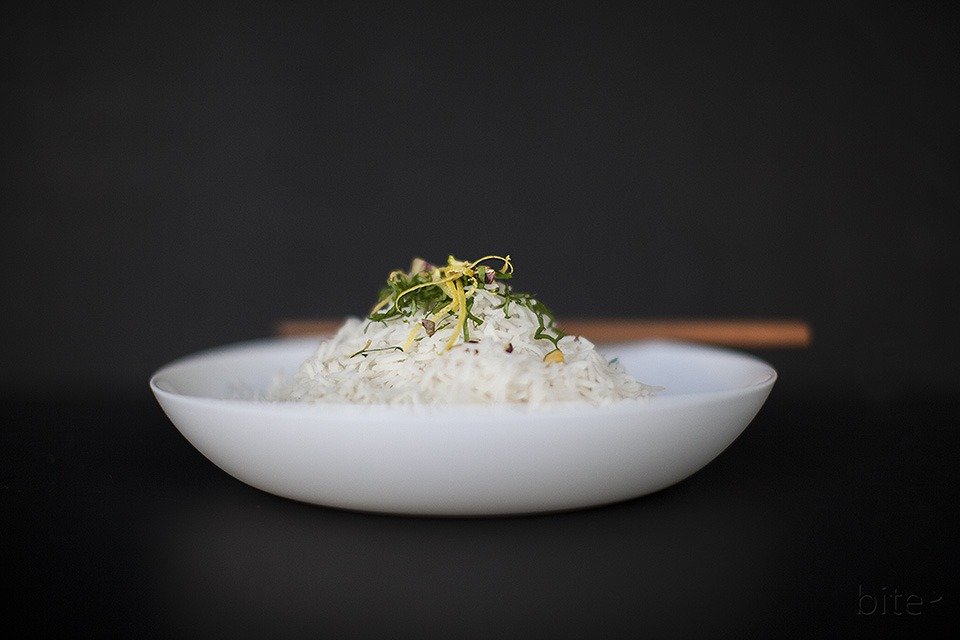
Dampfreis: The Art, Tradition, and Perfection of Steamed Rice
The word Dampfreis may sound modest, but hidden within it lies one of humanity’s oldest and most perfected culinary traditions — the art of steaming rice. Originating from the German words “Dampf”, meaning steam, and “Reis”, meaning rice, Dampfreis translates simply to “steamed rice.” Yet behind this simplicity exists an entire world of cultural history, scientific precision, and gastronomic depth that has nourished civilizations for thousands of years.
To speak of Dampfreis is to speak of balance — the delicate harmony between moisture and heat, flavor and purity, nourishment and satisfaction. Across centuries, this simple dish has connected people through shared tables, rituals, and comfort. It stands as one of the rare foods that transcends borders, adapting to every palate and every culture, from the rice terraces of Asia to the kitchens of Europe.
The Origins of Dampfreis and Its Global Journey
Rice has been cultivated for more than 10,000 years, primarily in regions of East and South Asia where monsoon-fed river valleys provided the perfect environment for its growth. In ancient China, evidence of rice steaming dates back to the early dynastic periods, where ceramic steamers were used to prepare delicate grains without losing their natural flavor. From there, the practice spread across Asia — to India, Japan, Korea, and Southeast Asia — evolving into distinct cultural rituals.
The German word Dampfreis came much later, as rice entered European diets through trade with Asia and the Middle East. By the eighteenth century, rice had become an important part of European cooking, especially in regions that valued light, digestible foods. German and Austrian cooks began preparing rice through gentle steaming, preserving its nutrients while achieving the ideal texture for pairing with meats, gravies, or vegetables. Over time, Dampfreis became a symbol of both refinement and simplicity — a humble yet essential part of everyday meals.
In Germany, Dampfreis was often served as a neutral base, complementing strong flavors like creamy mushroom sauces, roasted poultry, or savory beef dishes. Unlike fried or boiled rice, it offered a lighter, cleaner texture that allowed the accompanying dish to shine. In many ways, Dampfreis reflected the European culinary philosophy of balance and precision — where each element of the plate had a role to play.
The Philosophy of Steaming: Purity and Patience
At the heart of Dampfreis lies a philosophy that values purity and patience. Steaming is one of the gentlest forms of cooking, a method that relies solely on the natural power of vaporized water. This slow and even transfer of heat allows rice grains to soften from within, retaining their natural structure without disintegrating. There is something almost meditative about this process — no rushing, no constant stirring, just quiet transformation under the calm whisper of steam.
The act of steaming embodies a respect for the ingredient itself. Unlike boiling, where nutrients often escape into the water, steaming locks them inside the grains. It is a technique that respects the natural integrity of food, allowing it to reveal its essence rather than altering it. This purity is what makes Dampfreis universally appealing — it tastes like itself, clean and unadulterated, ready to accompany any dish or flavor.
In many Asian cultures, steaming rice is considered a daily ritual of mindfulness. Families measure the water, rinse the grains, and wait as the steam slowly rises, filling the kitchen with warmth and aroma. Germans, too, embraced this quiet elegance, integrating Dampfreis into a lifestyle that appreciates order, quality, and simplicity. It is a process that brings calm and precision — two qualities deeply embedded in both culinary and cultural traditions.
The Science Behind Perfect Dampfreis
Although it appears simple, the making of perfect Dampfreis is a matter of science as much as art. When rice is exposed to steam, heat energy is transferred efficiently through condensation. The steam condenses on the surface of the rice, releasing latent heat that raises the internal temperature gradually and uniformly. The starch granules within each grain absorb moisture and swell — a process known as gelatinization. This is what gives steamed rice its soft, plump texture without becoming mushy.
The key to achieving flawless Dampfreis lies in moisture control. Too much steam or water, and the rice becomes sticky; too little, and it remains undercooked. The ideal proportion varies depending on the type of rice, but the general principle is to allow just enough steam to enter the grain without drowning it. Traditional cooks often rely on intuition rather than measurements, using the texture and aroma as guides. The moment when the rice releases a faint, nutty scent signals that it has absorbed the perfect amount of heat and moisture.
Temperature also plays a crucial role. Rice starch gelatinizes between 68°C and 78°C, so maintaining steady heat ensures that every grain cooks evenly. This balance produces Dampfreis that is tender but not clumpy — a harmony of individual grains that hold together gently yet separate effortlessly on the fork.
Cultural Significance of Dampfreis
Dampfreis is not just a method of cooking but a cultural bridge. In Germany, it represents a refined approach to simple ingredients. It is often associated with wholesome, home-cooked meals, served alongside comforting dishes like stewed vegetables, baked fish, or creamy sauces. Its mild flavor provides the perfect canvas for robust European seasonings such as dill, parsley, or thyme.
Beyond Europe, the cultural meanings of steamed rice run deep. In Asia, it is sacred — a symbol of life, prosperity, and unity. In Japan, rice steaming is ritualized to such an extent that each grain is treated with reverence. In India, it is a sign of hospitality, forming the base of meals shared during celebrations. While the name Dampfreis may be German, the soul of the dish belongs to the entire world.
Today, Dampfreis has found its place in global fusion cuisines, blending Eastern and Western traditions. It accompanies stir-fried vegetables, spicy curries, grilled meats, and even plant-based dishes in modern wellness diets. Its adaptability makes it timeless, reminding us that simplicity can be the ultimate sophistication.
Nutritional Power and Health Benefits
From a nutritional standpoint, Dampfreis is one of the most balanced foods known to humankind. The steaming process preserves essential nutrients such as B vitamins, iron, and magnesium, which are often lost through boiling. Since no oil or fat is used, the resulting dish is low in calories and cholesterol-free, making it suitable for those seeking a clean and light diet.
The complex carbohydrates in rice provide steady energy without causing spikes in blood sugar levels, especially when paired with vegetables or proteins. For individuals with sensitive digestion, steamed rice is gentle on the stomach, offering comfort during illness or recovery. It is naturally gluten-free and suitable for nearly all dietary restrictions.
Moreover, the psychological comfort of Dampfreis cannot be overstated. Warm steamed rice evokes feelings of safety and home — the soft texture and mild aroma act as subtle reminders of nourishment and care. In wellness culture, it is often included in detox diets or minimalist meals designed to reset the body and mind. The purity of steamed rice mirrors the idea of purification itself — simple, clean, and restorative.
Techniques and Variations of Dampfreis
Though the principle of steaming remains universal, there are countless variations in how Dampfreis can be prepared, each reflecting cultural habits and personal preferences. Traditionally, in German and Central European kitchens, rice was steamed in a pot placed over gently boiling water. The pot was tightly sealed to prevent steam from escaping, allowing the heat to circulate evenly. This method produces a naturally aromatic rice that retains its shape and moisture.
Modern households use electric rice cookers or steamers that automate the process. These devices precisely control the temperature and moisture, ensuring consistency. Some enthusiasts prefer to pre-soak the rice to shorten cooking time and improve texture, while others steam it directly after rinsing to achieve a firmer bite.
The variety of rice also influences the final result. Long-grain rice such as basmati or jasmine yields light and separate grains, perfect for savory meals. Medium-grain rice offers a slightly creamy texture, while short-grain rice, rich in starch, produces the soft, cohesive structure used in dishes like sushi or rice pudding. Brown rice, on the other hand, requires longer steaming due to its bran layer but offers higher fiber and mineral content. Each type brings its own personality to Dampfreis, allowing endless experimentation.
The Sensory Experience of Dampfreis
To eat Dampfreis is to engage the senses fully. The visual appeal lies in the gentle shine of each grain, glistening with a hint of moisture. The aroma, subtle yet earthy, evokes freshness and calm. When tasted, the grains offer a delicate balance of softness and structure, yielding just enough resistance to create satisfaction. The sound of a spoon scooping through a bowl of steamed rice — soft and rhythmic — carries a quiet intimacy that transcends words.
In German dining culture, Dampfreis serves as a neutral foundation, allowing the other components of the meal to express their character. It soaks up sauces gracefully without losing its identity. This quiet strength — the ability to support rather than dominate — is part of what makes Dampfreis so universally loved. It adapts, complements, and enhances, never competing for attention.
Symbolism and Meaning in Everyday Life
Beyond its physical qualities, Dampfreis carries symbolic meaning. It represents nourishment in its purest form — food that sustains without excess, comfort that does not overwhelm. In a world often obsessed with complexity, this humble dish stands as a reminder of the beauty in simplicity. It embodies the wisdom of patience and the rewards of restraint, values that echo in both culinary and spiritual traditions.
For many families, preparing Dampfreis is an act of connection. It’s a shared ritual between generations, a way of passing down unspoken knowledge. Each cook adds their own rhythm — a particular soaking time, a specific pot, a personal sense of timing. These small gestures transform a routine act into an inheritance of care.
In modern society, where fast food and instant meals dominate, the resurgence of interest in simple, mindful cooking has revived Dampfreis as a symbol of conscious living. It aligns with contemporary values of wellness, sustainability, and authenticity. Making Dampfreis from scratch becomes a small rebellion against haste — a declaration that good things take time.
Storage, Reuse, and Culinary Creativity
While fresh Dampfreis is unmatched in taste and texture, it also lends itself beautifully to reinvention. Leftover steamed rice can be turned into countless new dishes — from savory rice pancakes to hearty soups or delicate puddings. The neutral flavor allows it to absorb spices, herbs, and sauces with ease. Some chefs even deliberately make extra Dampfreis, knowing that a second transformation awaits.
Proper storage is crucial. Once cooled, the rice should be kept in a clean, airtight container and refrigerated. When reheated gently with a sprinkle of water, it regains its original softness. Though simple, these steps maintain the food’s quality and safety. The care extended to storage reflects the same respect found in its preparation — nothing wasted, nothing rushed.
A Reflection on Dampfreis in the Modern World
In our era of culinary experimentation and global fusion, Dampfreis continues to evolve while staying rooted in tradition. Chefs in fine dining restaurants elevate it with infusions of herbs or citrus zest, while home cooks embrace it as a base for wholesome bowls filled with vegetables and proteins. Nutritionists praise its clean profile; cultural historians admire its endurance. No matter the context, its core remains unchanged — honest, nourishing, and infinitely adaptable.
In many ways, Dampfreis is not just food; it is a metaphor for the balance we seek in life. It teaches patience in preparation, moderation in flavor, and gratitude in consumption. Its warmth fills more than the stomach — it fills the spirit with calm. Every grain is a reminder of the cycles of nature, the power of water and heat, and the grace that arises from simplicity.
Conclusion: The Timeless Grace of Dampfreis
When we speak of Dampfreis, we are not merely describing a dish. We are acknowledging a tradition that transcends geography and time — a quiet art form that transforms something as humble as rice into an experience of nourishment and serenity. From ancient Asian kitchens to modern German homes, the essence of Dampfreis has remained constant: gentle heat, pure water, and patience.
In every bowl lies a story — of harvests and families, of hands that measured and waited, of meals shared in silence and laughter. Dampfreis is not extravagant, yet it commands respect. It teaches that perfection does not come from excess but from balance. Its purity, its simplicity, and its adaptability make it a reflection of life itself — steady, generous, and enduring.
In a world that rushes toward novelty, Dampfreis stands as a quiet reminder of timeless wisdom. True nourishment, like true happiness, comes not from complication but from care. And perhaps that is why, after thousands of years and countless innovations, we still return to the same essential comfort — a bowl of softly steamed rice, fragrant and full of life.