Nahttypen: Complete Guide to Seam Types, Uses, and Sewing Techniques (2026)
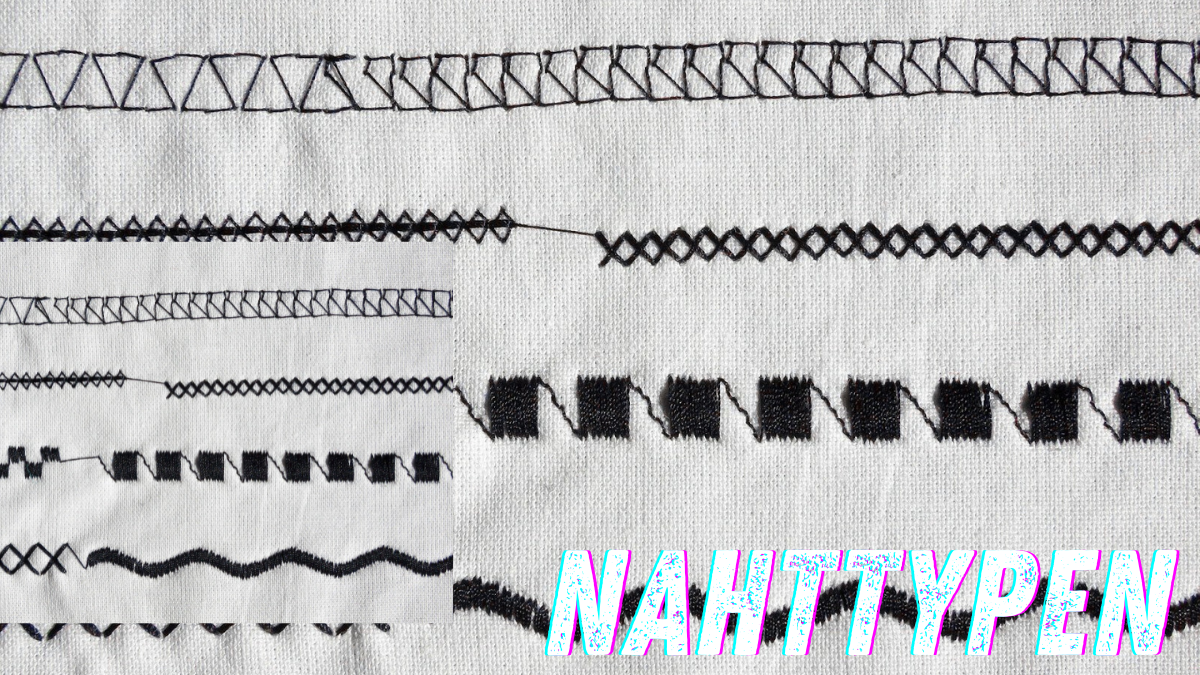
The term nahttypen refers to the different types of seams used to join fabric pieces together in sewing and garment construction. While the word has German roots, its importance extends far beyond language. Every garment, whether handmade at home or produced in a factory, relies on carefully selected seams to maintain structure, durability, and overall design integrity. Understanding seam types is the foundation of quality sewing.
When you explore various nahttypen, you begin to recognize how small construction decisions create major differences in comfort, appearance, and longevity. A poorly chosen seam may weaken fabric or cause discomfort, while a well-executed seam enhances flexibility and strength. For anyone serious about sewing, tailoring, or fashion design, mastering seam selection is a practical and creative advantage.
Understanding the Basics of Seams
A seam is formed when two or more pieces of fabric are stitched together along a defined line. Although this process may seem simple, it plays a crucial structural role in shaping garments. Seams define silhouettes, support stress points, and ensure that clothing maintains its intended form during movement and wear.
Seam allowance is another essential element that directly affects construction quality. It refers to the extra fabric beyond the stitching line that allows for adjustments, finishing, and reinforcement. Consistent seam allowances improve fitting accuracy and prevent issues such as fraying, distortion, or weakened edges. Proper measurement and marking techniques ensure clean and professional outcomes.
Plain Seam and Its Everyday Applications
The plain seam is the most fundamental seam in sewing and one of the most widely used nahttypen across various garment categories. It involves placing two fabric pieces right sides together and stitching along the seam allowance. This seam works effectively for basic clothing, home décor items, and beginner-level projects.
Despite its simplicity, the plain seam offers flexibility in finishing methods. It can be pressed open, stitched together, or finished with zigzag or overlock stitching to prevent fraying. Its versatility makes it a reliable choice for lightweight and medium-weight fabrics, forming the backbone of many sewing projects.
French Seam for Delicate and Lightweight Fabrics
French seams are commonly used when working with delicate, sheer, or lightweight fabrics. Unlike a plain seam, a French seam encloses raw edges within the seam itself, creating a clean and polished interior finish. This makes it ideal for garments where the inside may be visible, such as blouses or lingerie.
The construction process involves stitching the fabric twice, which enhances durability while maintaining a refined appearance. Among different nahttypen, French seams stand out for combining elegance with practicality. They prevent fraying and add subtle strength without adding unnecessary bulk to delicate materials.
Flat-Felled Seam for Strength and Durability
Flat-felled seams are known for their exceptional strength and are commonly found in denim jeans, workwear, and sports garments. This seam encloses raw edges by folding and stitching them down securely. It distributes stress evenly, making it ideal for garments exposed to frequent movement and tension.
The durability of this seam type makes it one of the most reliable nahttypen for heavy-duty clothing. In addition to strength, flat-felled seams offer a clean finish on both sides of the fabric. Their structured appearance also contributes to a professional and polished look.
Bound and Lapped Seams for Specialized Projects
Bound seams involve encasing raw edges with binding fabric or bias tape. This technique enhances both durability and aesthetic appeal. It is often used in unlined jackets, decorative garments, and visible interior finishes where attention to detail matters.
Lapped seams differ in construction, as one fabric piece overlaps another before stitching. This method is particularly suitable for thick fabrics such as leather or felt, where reducing bulk is essential. These specialized nahttypen offer creative and functional solutions for advanced sewing projects.
Overlocked and Zigzag Seams for Edge Protection
Overlocked seams, created using a serger machine, trim and stitch fabric edges simultaneously. This prevents fraying and provides a clean, factory-style finish. Zigzag stitching on a regular sewing machine offers a similar protective effect when a serger is not available.
These seam finishes are essential in modern garment production. They maintain fabric integrity after repeated washing and wearing. Among practical nahttypen, overlocked seams are widely appreciated for efficiency and durability in everyday apparel.
Choosing the Right Seam for Different Fabrics
Fabric type plays a critical role in selecting appropriate seam construction. Lightweight fabrics benefit from enclosed seams such as French seams, while heavy fabrics require reinforced options like flat-felled seams. Stretch fabrics demand flexible stitches that move with the material without breaking.
Understanding fabric properties such as weight, weave, and elasticity ensures better seam performance. When selecting among various nahttypen, always consider how the fabric will behave under tension, washing, and daily use. Matching seam type to material enhances garment longevity.
Tools and Equipment for Seam Perfection
High-quality tools significantly influence seam accuracy and durability. A dependable sewing machine, sharp needles, and appropriate thread types are essential for achieving clean results. Using the correct needle for specific fabric prevents skipped stitches and fabric damage.
Pressing equipment is equally important in seam construction. Pressing seams after stitching sets them in place and improves overall garment appearance. Seam rollers and pressing cloths further refine finishing quality, ensuring professional-level results across all nahttypen applications.
Step-by-Step Techniques for Strong Seams
Preparation is a key factor in successful seam construction. Pre-washing fabric eliminates shrinkage risks, while precise cutting ensures accurate alignment. Marking seam allowances clearly reduces errors and contributes to smoother stitching.
During sewing, maintaining consistent speed and tension prevents uneven seams. Backstitching at seam beginnings and endings reinforces stress points. Topstitching can add both decorative detail and structural reinforcement, elevating the overall quality of the finished garment.
Common Mistakes to Avoid in Seam Construction
Inconsistent seam allowances are among the most frequent mistakes in sewing. Uneven allowances can distort garment shape and affect fit. Taking time to measure and guide fabric carefully prevents costly errors and ensures better outcomes.
Another common issue involves incorrect thread tension. Excessively tight tension causes puckering, while loose tension weakens seam integrity. Regular machine maintenance and stitch testing help maintain balanced tension for reliable results in all nahttypen techniques.
Modern Innovations in Seam Technology
Recent advancements in garment manufacturing have introduced seam sealing technology, especially in waterproof and athletic clothing. Seam tape prevents moisture from penetrating stitched areas, increasing comfort and performance in outdoor apparel.
Sustainable fashion has also influenced seam construction practices. Designers now aim to minimize waste and maximize durability. Modern nahttypen approaches emphasize efficiency, environmental responsibility, and enhanced garment lifespan through improved stitching methods.
Practical Applications in Fashion and DIY Projects
Home sewing enthusiasts benefit greatly from understanding seam variations. Choosing the correct seam type improves project durability and aesthetic appeal. Even simple changes in seam selection can transform the overall finish of handmade garments.
In professional tailoring and industrial production, seam choice determines garment reliability. From luxury fashion to heavy-duty workwear, seam construction directly impacts performance and reputation. Mastery of nahttypen supports both creative expression and technical excellence.
Conclusion
Seams are the hidden framework of every textile creation. Learning about nahttypen empowers sewists, designers, and manufacturers to make informed construction decisions. The right seam enhances durability, comfort, and overall garment quality.
By understanding fabric behavior, selecting proper tools, and applying suitable techniques, anyone can improve sewing outcomes. Seam construction is both a technical skill and a creative art. With practice and knowledge, every project can achieve professional-level results.